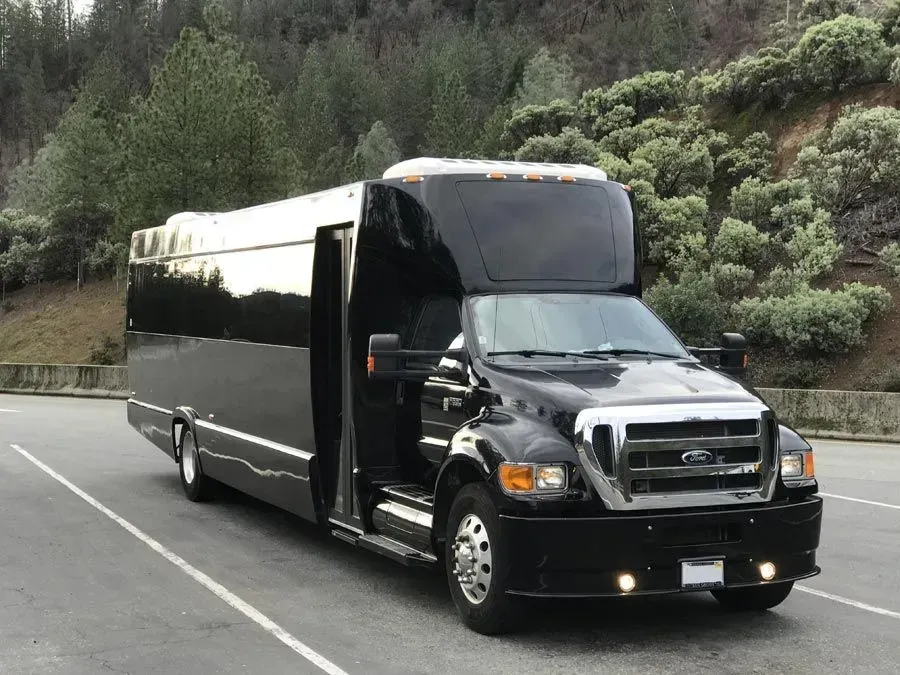
Organizing an event requires attention to many aspects, with transport frequently overlooked. A frequent error is expecting attendees to arrive independently or depend entirely on their own cars. This can lead to delays, missed schedules, and unnecessary stress for both hosts and attendees. Accurately estimating guest transport needs, including accessibility requirements, is essential. Planning for convenience and accessibility helps ensure guests reach the event smoothly and punctually. Failing to address these factors can interrupt the event’s flow and reduce attendee satisfaction.
Booking transport without knowing how many attendees need it can lead to packed cars or extended delays. Flexible scheduling is key to accommodate unforeseen changes. Reserving trustworthy providers early mitigates risks from short-notice shortages. Accounting for rush hours and traffic trends helps reduce tardiness and keeps events on track. A thoughtfully organized transportation plan reflects professionalism and attention to detail. With Haas Limo, guests enjoy coordinated and effortless transportation from beginning to end.
Poor Communication With Transport Services
Ensuring precise communication with transport services is vital for smooth operations. Errors about pickup schedules, destinations, or vehicle types can cause chaos during the event. Providing detailed instructions and confirming arrangements multiple times can prevent these errors. Drivers should be briefed on specific needs or VIP requirements. Without clear communication, the service quality may not meet expectations, impacting the guest experience. Keeping all parties informed fosters trust and dependable execution.
Designating a central coordinator for transport details simplifies oversight. It allows quick handling of adjustments and ensures drivers know the full itinerary. Pre-checking travel paths and schedules prevents unnecessary delays. Giving attendees access to relevant contacts ensures concerns can be addressed immediately. Open and detailed communication ensures seamless execution. Regular updates throughout preparation build reliability and confidence.
Neglecting Schedule Considerations
Time management plays a key role in coordinating event transport. Incorrect estimates of travel time may cause delays or anxious arrivals, affecting event flow. Planning buffer time for traffic, unforeseen delays, or parking challenges can prevent unnecessary stress. Managing arrivals to reduce bottlenecks ensures a calm and efficient guest flow. Schedules need to cover arrival and departure to facilitate smooth transitions. Meticulous schedule management conveys expertise and preparedness.
Overloading vehicles or underestimating transit time can disrupt the smoothness of an event. Detailed itineraries enable teams to execute transport without confusion. Scheduling multi-stop events carefully guarantees smooth transitions between venues. Accommodating guests with particular requirements supports a more seamless travel experience. Well-planned timing prevents unnecessary stress for everyone involved. Effective scheduling lets hosts attend to the event without logistical distractions.
Overlooking Special Guest Requirements
Attendees may have particular requirements that demand attention. Examples include wheelchair access, food restrictions, or privacy for high-profile guests. Ignoring these requirements can lead to discomfort and dissatisfaction. Early planning ensures transport solutions meet unique guest requirements. Ensuring that all guests feel welcomed and valued enhances the overall impression of the event. Addressing special requirements demonstrates a high level of care and attention to detail.
Informing staff of guest specifics avoids mishaps and facilitates seamless travel. For example, arranging vehicles with wheelchair accessibility or additional space for equipment prevents last-minute challenges. Foreseeing issues reflects careful planning and dedication to quality service. Satisfied guests who experience thoughtful care remember the event favorably. Organizers who plan for unique requirements circumvent typical mistakes. Thoughtful planning ensures that all attendees enjoy their travel comfortably and safely.
Failing to Maintain Vehicle Excellence
Vehicle upkeep and quality are critical for ensuring attendee comfort. Using vehicles that are outdated, poorly maintained, or uncomfortable can create negative impressions. Routine checks for cleanliness, mechanical issues, and interior comfort are essential. A luxury experience is defined not only by punctuality but also by the quality of the ride itself. Guests expect smooth, safe, and enjoyable transportation, particularly for high-profile or formal events. Overlooking vehicle standards can overshadow other aspects of careful event planning.
Pre-event inspections help secure dependable transportation and reduce stress. Ensuring entertainment, lighting, and climate functions are operational improves the ride experience. Adding thoughtful features for high-profile events enriches the travel experience. Advance preparation helps prevent scheduling or comfort problems. Maintaining high standards demonstrates competence and meticulous planning. Attendees appreciate careful preparation, influencing how they perceive the event.
Neglecting Contingency Planning
Since plans can change, adaptable transport arrangements are crucial. Unexpected traffic, weather, or additional attendees can upset timing. Ignoring backup plans increases the risk of disruption. Contingency measures like extra transport or flexible routing help prevent interruptions. Adaptable strategies sustain attendee trust and staff efficiency. Flexibility ensures a seamless and pleasant event experience.
Collaboration with transport teams chauffeur service to prepare for surprises increases operational efficiency. Alerting drivers to possible modifications ensures rapid adaptation. Well-defined emergency protocols reduce interruptions and boost guest confidence. Anticipating challenges demonstrates professionalism and attention to detail. Flexibility and preparedness are key factors in creating a seamless experience. Anticipating surprises allows organizers to manage schedules efficiently.
Selecting Inappropriate Vehicles
Using vehicles unsuitable for the group or event can harm the experience. A too-large car can seem detached, while a small car may be overcrowded. Selecting appropriate transport for attendees, luggage, and style matters greatly. Amenities like Wi-Fi, climate control, and spacious seating contribute to the comfort and convenience of attendees. Vehicle appropriateness reinforces the overall style and organization of the occasion. Thoughtful vehicle choice demonstrates careful coordination.
Working with experts eases vehicle choice and planning. Skilled transport services align car options with guest needs and event style. Providers evaluate guest experience, design preferences, and unique demands. Choosing carefully reduces logistical issues and improves enjoyment. Partnering with Haas Limo ensures attendees travel in elegance and ease. Attention to vehicle suitability helps create a memorable impression for everyone involved.
Lack of Synchronization Among Transportation Teams
Ensuring drivers and event teams work in sync is essential for success. Lack of synchronization may cause timing issues and logistical confusion. Establishing clear communication channels between drivers, coordinators, and staff ensures that everyone is on the same page. Sharing schedules and contacts helps drivers adapt to adjustments efficiently. Well-managed communication creates efficient, low-stress transport. Proper alignment makes transport a positive part of the event.
Pre-event meetings help staff and drivers prepare and clarify instructions. Establishing checkpoints and contingency protocols can help manage unexpected situations. Coordination also involves monitoring guest arrivals and departures to prevent bottlenecks or delays. Effective dialogue improves security, convenience, and smooth operations. Working with Haas Limo provides expert oversight of all logistical communication. Well-synchronized transportation operations leave a lasting impression of reliability and excellence.